Addressing Conflicts, Constraints In Nigeria’s Air Cargo Ecosystem
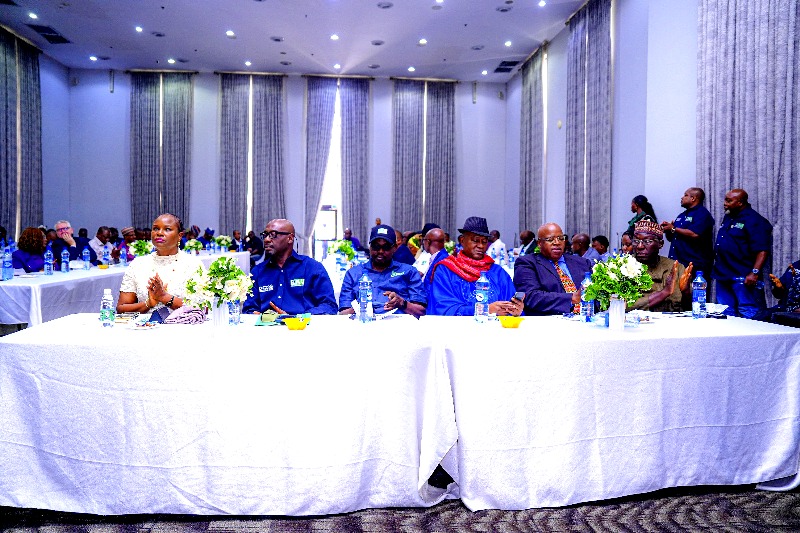
How to minimize inter-agency conflicts and avoidable crisis and remove constraints at the cargo shed of some Nigeria’s airports to improve the air cargo ecosystem constituted part of discussions at the panel session of DCDS Operational Stakeholders’ Engagement organized by the Directorate of Cargo Development Services (DCDS) of Federal Airports Authority of Nigeria (FAAN).
Theme of the event held at Providence Hotel, Ikeja, Lagos was “Building A World Class Air Cargo System.” Discussants emphasized the need for stakeholders to comply with processes, collaborate and provide adequate cargo handling infrastructure to minimize crisis.
On Friday, November 21, 2025, “right in front of Murtala Muhammed International Airport (MMIA) terminal, personnel of Nigeria Drug Law Enforcement Agency (NDLEA) and Nigeria Customs Service (NCS) had a conflict, to the extent that there were sporadic gunshots” thereby threatening safety and security. This was according to Mr. Kafidipe Olajide, a representative of Caverton Helicopters at the event, who stressed the importance of access control at the terminal and agencies collaboration. He noted that most activities carried out at the cargo terminal were not supposed to happen there.
Making his input, the Chairman of MMIA Chapter of Association of Nigeria Licensed Customs Agents (ANLCA), Mr. Temitope Pius Akindele said a member of staff of one of the freight forwarding companies died of suffocation from the heat at the terminal building and that this eventually resulted in shutting down the warehouse for two days.
“The influx of people into the terminal is caused by FAAN who has allocated spaces to people that should not be around the airport,” he said.
“There is need for more space at the terminal. We have serious space constraints and this is beyond the ground handler. The cargo volumes have grown over the years beyond what it used to be. Something should be done about this,” said Mr. Donald Adekunle, representative of the Executive Director, Cargo Services & Operations, SAHCO Plc.
Another ANLCA member, Chief Festus Okoro identified challenges in the cargo ecosystem as multiplication of agencies, alongside duplication of duties and charges. He said a clearance document is required to pass through eight different tables that provide the same services. He also identified corruption and policy somersault as part of the problems.
Mr. Oluwajimi Ajibade of Trans Global stressed that FAAN needed to be deliberate in subsidizing freight and remove obstacles and unnecessary charges to enable world class air cargo system emerge.
On movement, awareness and preservation of export items from Nigeria, Mr. Olajide noted that 60% of agro-products in Nigeria go into waste because of transportation challenges, adding that Caverton Helicopters had been engaged sometime, to take products to places where airplanes cannot access. He made a case for awareness creation on the produce available in Nigeria for export, encouraging various stakeholders, including freight forwarders to “begin to see themselves as consolidators and take advantage of investment opportunities in agro-allied sector.”
On the role of Nigeria Customs, Mr. C. Okoro who represented the Customs Area Comptroller of MMIA, said customs personnel are facilitators of trade and that integrity of declaration on the part of all stakeholders is key. He said the Customs officers that insist on following due process were usually perceived as bad officers by the Freight Forwarders, stating that customs personnel were the best remunerated and so, had no reasons to indulge in corrupt practices.
“There was a time the Comptroller stated that every import must come with an invoice. The agents fought against it,” said Okoro, who however, noted that the Single Window Initiative would help to address some of the on-going challenges.
The Registrar and Chief Executive Officer of Council For Registration of Freight Forwarders of Nigeria (CRFFN), Mr. Kingsley Igwe said freight forwarders needed to enhance their knowledge and that the Customs Service should provide training for their licensed agents.
He also noted that packaging of export produce was a revenue generating business, adding that CRFFN was collaborating with FAAN to provide training for freight forwarders in Nigeria.
In his presentation, President of Aircraft Owners Association of Nigeria (AOAN), Dr. Alex Nwuba stated that Nigeria had the opportunity to become Africa’s leading air cargo hub, but that challenges of infrastructure deficiencies and regulatory infractions needed to be addressed.
The Director of the National Single Window Initiative, Mr. Damola Yusuf said the initiative was one and half years old, with objectives of simplifying import and export processes, reducing overall costs of import and export and increasing transparency in import and export processes.
In his opening remarks, the Director of DCSD, Mr. Thomas Olalekan had said that the Directorate’s intention was to transform cargo services through streamlined regulation of activities and partnership with the private sector. He said Nigeria’s cargo import stood at 131 million tonnes annually.
On the access control challenge at MMIA, Olalekan explained that it was a problem that had existed prior to the current leadership of FAAN and that efforts were being made to sanitize the cargo terminal. He said “the gathering is a testament to our shared commitment to build strong partnerships, drive a sustainable growth and development strategies in our air cargo ecosystem in the aviation industry in Nigeria.”
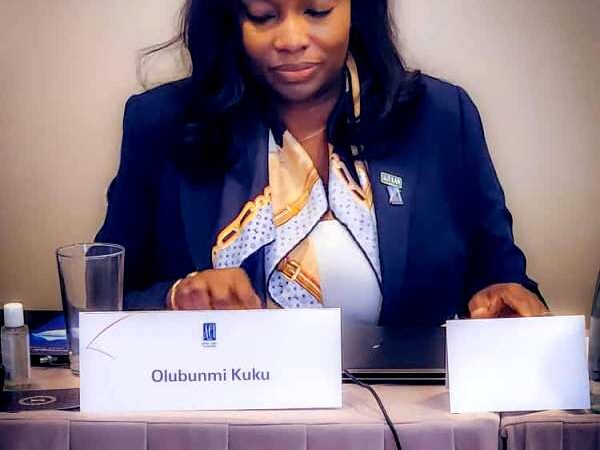
In her opening address delivered earlier by Mrs. Obiageli Orah on behalf of FAAN Managing Director and Chief Executive, Mrs. Olubunmi Kuku, she said she was “committed to creating an enabling environment for infrastructure and political will for the air cargo ecosystem to thrive.”
SEE MORE PHOTOS