
Jet A-1 Crisis: Stop Scapegoating Air Peace For A Global Aviation Problem
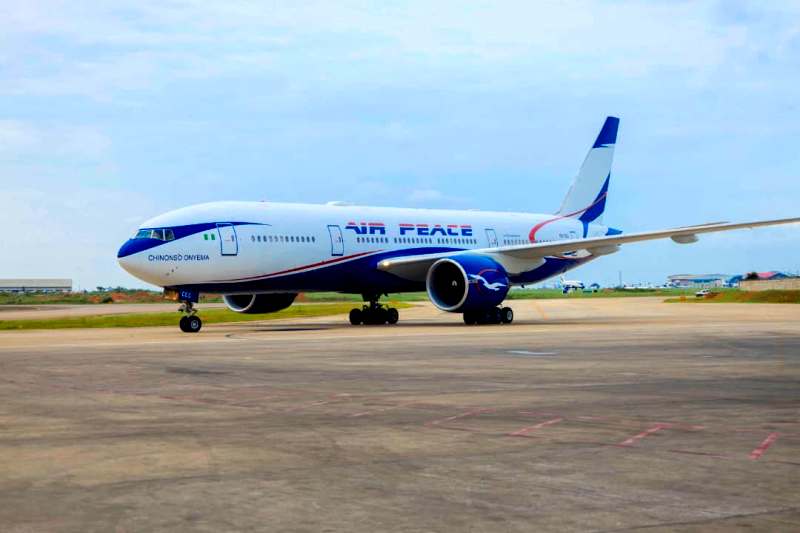
There is a renewed and rather orchestrated onslaught against Air Peace over the current shortage of aviation fuel (Jet A-1). Let’s be clear from the outset: this is not a crisis created by one airline, nor is it peculiar to Nigeria. It is a global aviation challenge driven by supply constraints, price volatility, and persistent disruptions in the fuel value chain as a result of the Middle East crisis.
In Nigeria, airlines are contending with limited access to Jet A-1, escalating costs, and unpredictable supply cycles. Smaller carriers, with fewer aircraft and limited schedules, may be able to secure just enough fuel to operate select flights. Air Peace, as the largest airline in the country with a far wider network and significantly higher daily operations, inevitably feels the strain more intensely. Scale, in this case, is not an advantage; It is a vulnerability.
What is both baffling and disappointing is the deliberate attempt in some quarters to personalize a systemic problem. The issue has already been escalated to the appropriate authorities, particularly the federal government and engagements have been held, and efforts are ongoing to stabilize supply. Yet, rather than direct attention to the root causes, a chorus of social media commentators and disgruntled passengers has chosen the easier path – targeting Air Peace as though it exists in isolation from the realities of the global aviation industry.
This narrative simply does not hold water. Across the world, airlines are battling the same headwinds: volatile fuel prices, refining limitations, geopolitical uncertainties, and post-pandemic supply chain fragility. Established global carriers like Lufthansa and Turkish Airlines and others have not been spared. They have adjusted schedules, reduced capacity, and, in some instances, cancelled flights due to fuel availability issues and cost pressures. These are facts, not excuses.
Even here in London and across major aviation hubs, the story is no different. Jet fuel remains one of the most significant cost components in airline operations. When supply tightens or prices spike, the impact is immediate and unavoidable, flights are rescheduled, routes are trimmed, and fares adjust accordingly. This is the nature of the industry.
So Why The Fixation On Air Peace?
At best, it reflects a shallow understanding of aviation economics. At worst, it suggests a deliberate attempt to mislead the public and weaponize frustration for attention or other interests, which neither is helpful. On its part, Air Peace has consistently put out information regarding this issue in the public.
Criticism is valid but it must be informed, fair, and applied consistently. What we are seeing instead is selective outrage dressed up as public concern. That does nothing to address the underlying issues. It only distorts them.
It is time to redirect the conversation. The focus should be on sustainable solutions – strengthening local refining capacity, improving supply chain resilience, and creating a more stable operating environment for all airlines. Anything else is distraction.
And those who continue to push misleading narratives should be challenged firmly, factually, and without apology.
Enough of this Air Peace bashing!
Written By Fred Chukwuelobe