FAAN MD Highlights Success Requirements For PPP, Airport Projects Financing
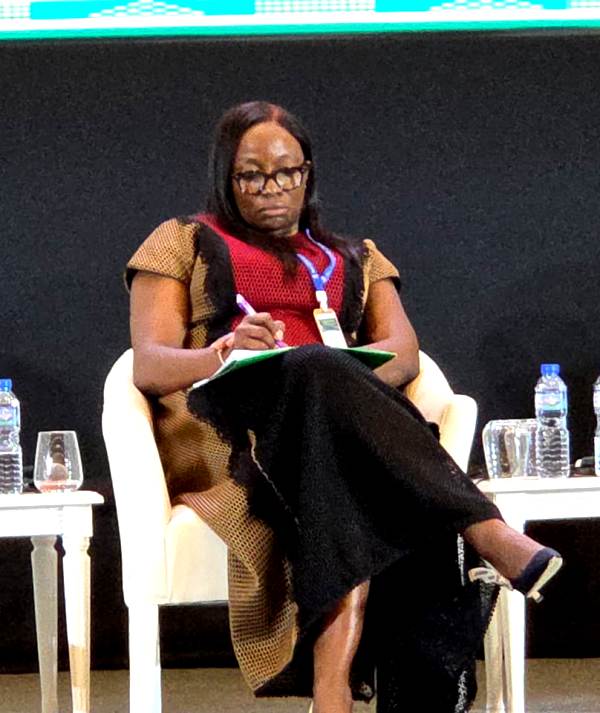
The Managing Director and Chief Executive of Federal Airports Authority of Nigeria (FAAN), Mrs. Olubunmi Kuku has highlighted some requirements for successful Public-Private Partnership (PPP) and some considerations in financing airports infrastructure projects in Africa that align with regional goals.
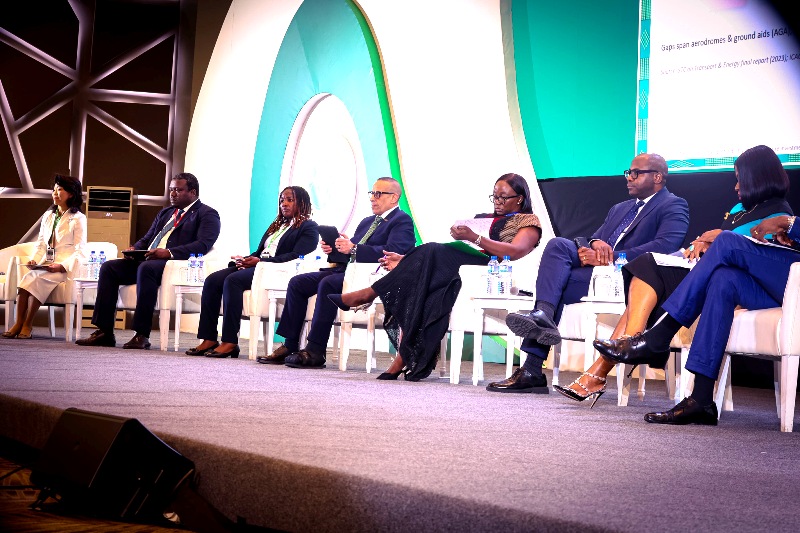
Commenting on airports infrastructure projects financing during the panel session on Advancing Air Transport Industry And Infrastructure Investment Partnerships In Africa, at the African Air Transport & Expo held in Lome, Togo which ends today, Kuku said “one thing I want to say about successful Public-Private Partnership Models is that it is not just driven by capital availability but is really around resilience, institutional credibility, regulatory certainty and discipline. A lot of challenges that we have seen are really around project continuity and market risks that come into play.”
Sharing a lesson from Nigeria’s experience on one of the most announced PPP projects, which has been the Bi-courtney project in MMA2, she said though “it has created a lot of conflicts and noise, I am happy to say that within this administration, we have done quite a lot of work in renegotiating the contract for the concession. It has now been resolved at the Federal Executive Council level. What that means is that it provides better investor confidence for those that are looking to drive PPP projects. More importantly, it makes sure that as we start to negotiate concession contracts in the future, they are fair to both the government and the private sector. In addition, we want to make sure that there is sort of clarity around management of those concession models.”
To achieve success in PPPs, she said “we should ensure that in terms of financial opportunities provided by both the private sector and Direct Foreign Investors, they should actually prioritize regional commitments; things around regional connectivity to Single African Air Transport Market (SAATM)-those projects that align with regional goals should be prioritized. We really need to consider national aviation delivery given the fact that aviation stands around several sectors- from security to administration, to aviation itself. What that does is that one allows very clear collaboration around infrastructure investments, conversations around rail, road and aviation, bringing all of those parties together with various security agencies involved.
More importantly, it helps us with a longer term roadmap, ensures that the right stakeholders are in the room, making the right critical decisions and also committed to the delivery of those projects.
“I have heard a lot of talk around setting up different sort of finance thing institutions. I strongly do not support that. I would rather that the existing finance institutions set up specialized desks to understand the aviation environment and also provide support and as part of project preparation facilities, actually provide sort of technical capabilities for various stakeholders. What that does is that it gives them the better understanding of presenting these bankable projects as well by working side by side.
There also has to be a regional commitment around delivery timelines obviously on both sides, making sure that your coming to the table, you are presenting projects that are bankable; you have really looked at the entire value chain of those projects. From the financing side as well, there is clarity around the financing instruments that are available, where you need co-financing whether from the private sector or even guaranteed cash flows from a project finance perspective.
I will give myself as an example. We do have a rail project. It is an extension of the rail line from Lagos into my terminal. There are opportunities for us to co-finance because I do have the cash flows to support that; but I think those conversations need to happen early and regional priority projects really need to be put at the top of the financing.”
She further explained that Nigeria’s major opportunities duel in transit passengers, stating that “the need to improve passenger traffic is not dependent on the types of infrastructure that you have on ground. It is really driven by passenger traffic.”
Kuku further explained that a needs analysis of the Nigerian aviation market had already been done while a roadmap has been developed as affects terminal and cargo infrastructure projects.